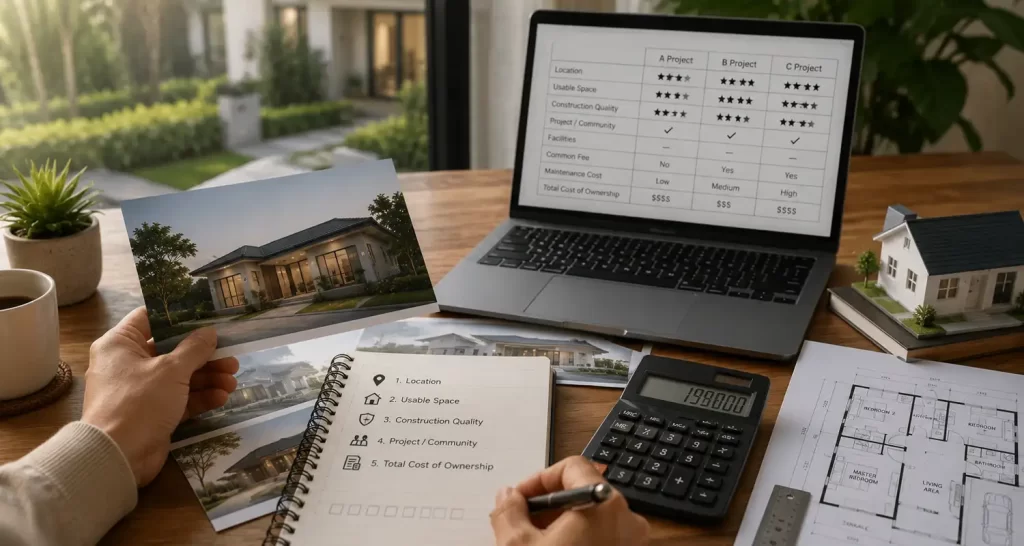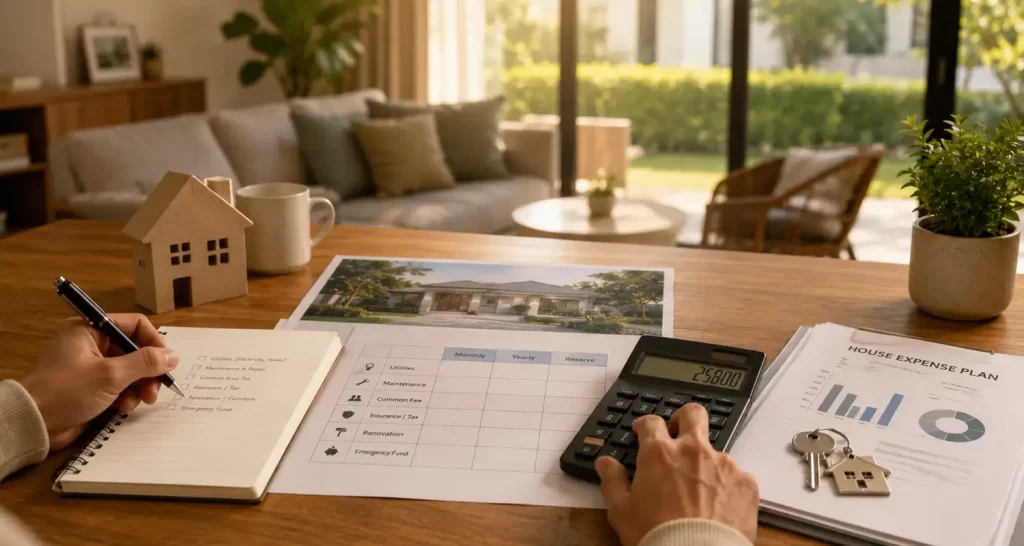
The cost of owning a home does not end with the purchase price or the start of your mortgage payments. Once you move in, there are ongoing household expenses, maintenance costs, and occasional expenses to consider. Planning around the purchase price alone may therefore underestimate the true cost of homeownership. If you are buying a home to live in, considering these long-term costs before making a decision can help you determine whether the property is suitable for your family’s financial situation.
Utilities Are an Ongoing Expense
Electricity, water, and other household services are basic recurring expenses. The actual amount will depend on the number of residents, the size of the home, the appliances you use, and your household’s daily habits.
Rather than relying on a fixed estimate, set aside a budget based on your family’s lifestyle and monitor your actual expenses during the first few months after moving in. You can then adjust your monthly budget accordingly.
If you use additional services such as internet, private security systems, or property maintenance services, these should also be included in your regular household expenses.
Set Aside a Budget for Maintenance and Repairs
Every home has components that naturally wear over time and through regular use, including paintwork, roofing, doors, windows, electrical systems, plumbing, air-conditioning systems, and outdoor areas.
For this reason, home maintenance costs should not be treated as expenses that only arise when something goes wrong. Setting aside funds for routine maintenance and repairs can help reduce the financial impact of unexpected work that falls outside your normal monthly budget.
Larger homes may also have more areas and systems to maintain, so these costs should be assessed based on the actual characteristics of the property rather than the purchase price alone.
Check Common Fees Before Buying
If you are buying a home within a residential development, ask whether common fees apply, how they are calculated, and which areas or services they cover.
These costs vary between developments, so the fees charged by one project should not automatically be used to estimate the costs of another. If a development does not charge common fees, you should still check whether there are any expenses or maintenance responsibilities that homeowners are expected to manage themselves.
Understanding these conditions before purchasing makes it easier to compare the long-term costs of different homes and developments.
Remember the Expenses That Do Not Occur Every Month
In addition to regular household expenses, costs after buying a home may include optional insurance, applicable property-related taxes, home improvements, furniture, and the replacement of equipment or appliances when they reach the end of their useful life.
Some of these expenses may occur once a year, while others may arise only after several years of living in the property. It is therefore useful to keep a separate reserve fund in addition to your regular monthly budget.
Before buying a home, consider dividing your expected expenses into three categories: monthly expenses, annual expenses, and a reserve fund for maintenance and repairs. This provides a more complete picture of the true cost of homeownership than looking at mortgage payments alone.
Summary
Planning for the cost of owning a home should include utilities, maintenance, common fees where applicable, and savings for occasional or unexpected expenses. Considering these costs in advance can help ensure that the home you choose remains suitable for your long-term budget.
If you are comparing homes in Pranburi, Yarinda Pranburi Phase 2 comes with zero common fees for life. You can consider this alongside the purchase price, house design, and other ongoing expenses when comparing the long-term cost of living with other properties you are interested in.