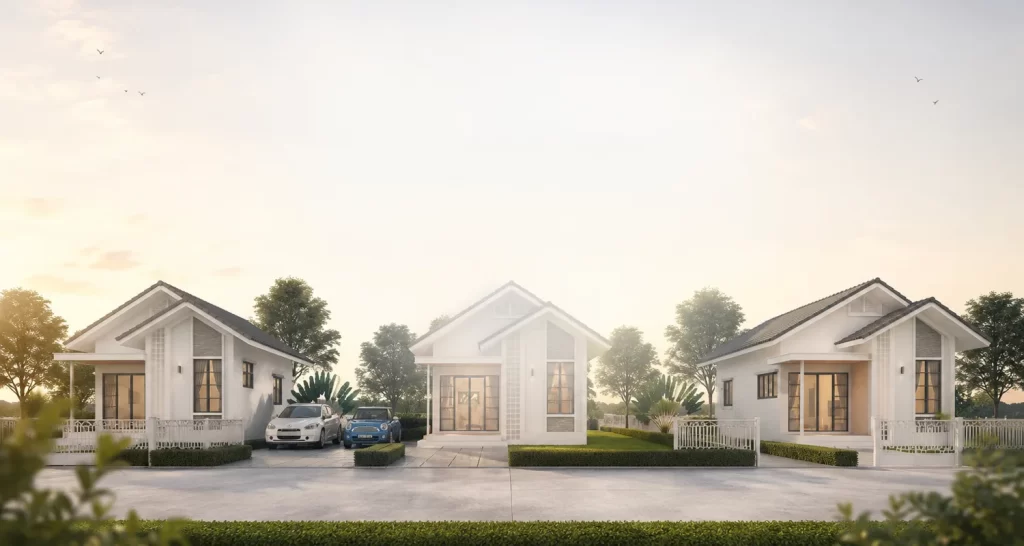
A small residential development is one of the options homebuyers may encounter when searching for a property. The most obvious difference is the smaller number of homes compared with larger developments. However, the number of units alone is not enough to determine whether a project is right for you. Buyers should also consider privacy, shared facilities, ongoing costs, project management, and their preferred lifestyle. The goal is to choose what best suits your needs rather than assuming that one project size is better than another.
The Number of Homes Affects the Atmosphere, but It Is Not Everything
A development with only a small number of homes may feel different from one with hundreds of units, simply because the number of households and the way residents use the shared spaces can vary considerably.
However, a smaller development should not automatically be assumed to be quieter or more private. The actual living experience also depends on the site layout, distance between homes, internal roads, and the surrounding environment.
If privacy is important to you, visit the development in person and consider the position of each home rather than judging the project solely by its total number of units.
Facilities May Differ from Larger Developments
If you are considering a small residential development, check which shared spaces and facilities are provided and whether they are relevant to your lifestyle.
Some larger developments may offer a wide range of communal facilities, while smaller projects may take a simpler approach. The exact features, however, vary from one development to another.
The key question is therefore not simply, “How many facilities are there?” but whether you will actually use them and whether the associated costs provide reasonable value for what you receive.
Understand Project Management and Ongoing Costs
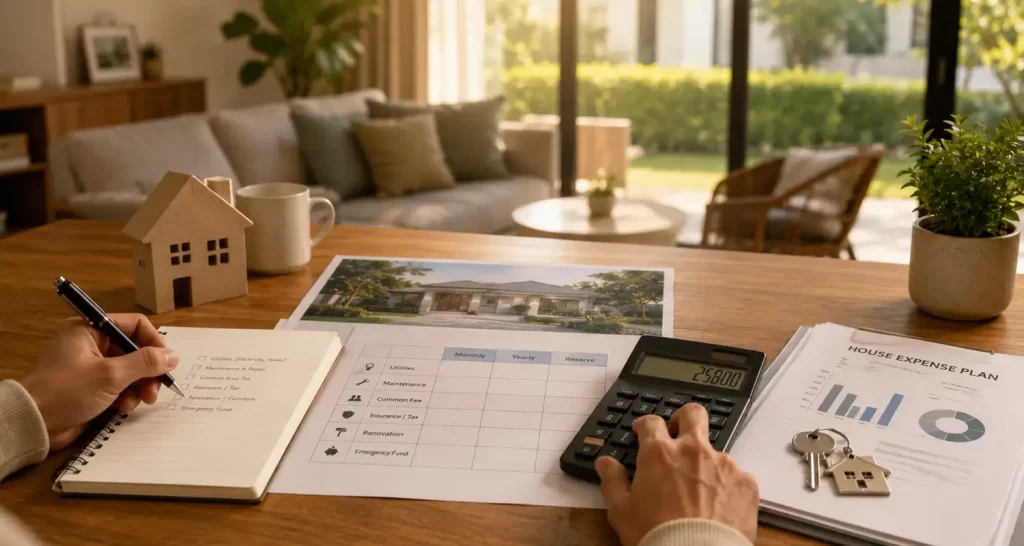
Before choosing a residential development, ask whether common fees apply. If they do, find out how they are calculated and what areas or services those fees cover.
If there are no common fees, you should also understand which areas or services homeowners are responsible for themselves and how any shared areas are maintained.
These details are important for long-term living because management arrangements and ongoing costs can vary significantly between developments. Buyers should therefore request clear information directly from the developer before making a decision.
Is a Small Development Right for Your Lifestyle?
Choosing a small residential development ultimately comes down to how you want to live. If you prefer a community with fewer homes and do not require extensive communal facilities, this type of development may be worth considering.
However, if your family wants a wider range of shared activity spaces or communal services, another type of development may be more suitable.
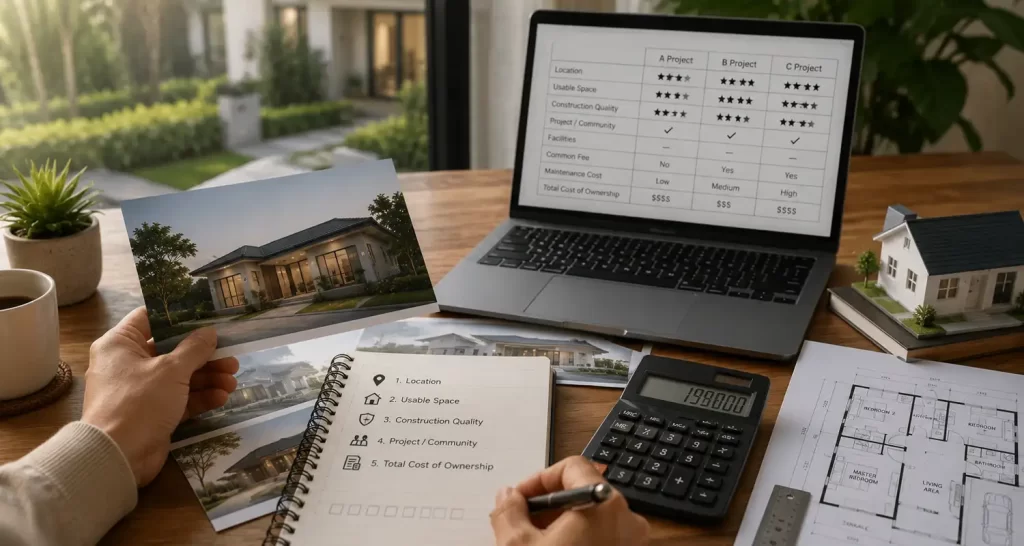
Beyond the size of the project, you should also consider the location, house design, living space, construction quality, access, and long-term costs, as all of these factors directly affect everyday living.
Summary
Small residential developments are not right for everyone, just as larger developments will not suit every family. The key is to understand how much you value privacy, communal facilities, and different approaches to project management, then compare these priorities with the actual features of each development.
For those considering a home in Pranburi, Yarinda Pranburi Phase 2 features just 5 homes with zero common fees for life. You can explore the project details further and compare them with the lifestyle and living environment you are looking for.